


California’s farm-to-school program now serves 500 districts and is now permanent state policy.
California’s farm-to-school program is changing what students eat at lunch. Cafeterias once known for frozen pizza and soggy hot dogs now serve fresh, local produce. State lawmakers just made the program permanent within the California Department of Food and Agriculture.
The program pairs schools with nearby farmers, ranchers, and food producers. Districts receive grants to buy fresh ingredients, send staff to culinary training, and take students on farm field trips. Since 2021, California’s farm-to-school program has grown to reach 500 school districts statewide, from small mountain communities to large urban districts.
Students are responding with enthusiasm. At Tahoe-Truckee Unified, kids line up for unfamiliar fruits like rambutan, a red, spiky fruit with sweet, juicy flesh, and ask for seconds of pozole. Staff say the salad bar empties faster than they can refill it.
Middle schoolers who once dreaded cafeteria food now rarely complain about meals, according to nutrition staff. That shift matters, since many students eat a large share of their daily calories at school. Program advocates say fresh, appealing options can shape eating habits early.
One key piece of the program is the food hub, a local warehouse that connects small farms directly with school kitchens. Hubs handle deliveries and paperwork that would otherwise fall on busy cafeteria staff. This removes a major barrier for districts that want to buy local through the farm-to-school program.
Spork Food Hub, based in Davis, works with more than 100 small farms and 40 school districts. It delivers up to 120 tons of produce to schools every week. That adds up to roughly 720 truckloads of fresh food moving through the program each week.
Deliveries include vine-ripened cherry tomatoes, purple daikon radishes, and Hakurei turnips. Some boxes even hold a painted serpent cucumber, a striped vegetable with a mild, sweet flavor. Organizers say introducing kids to unusual produce helps build lifelong healthy habits.
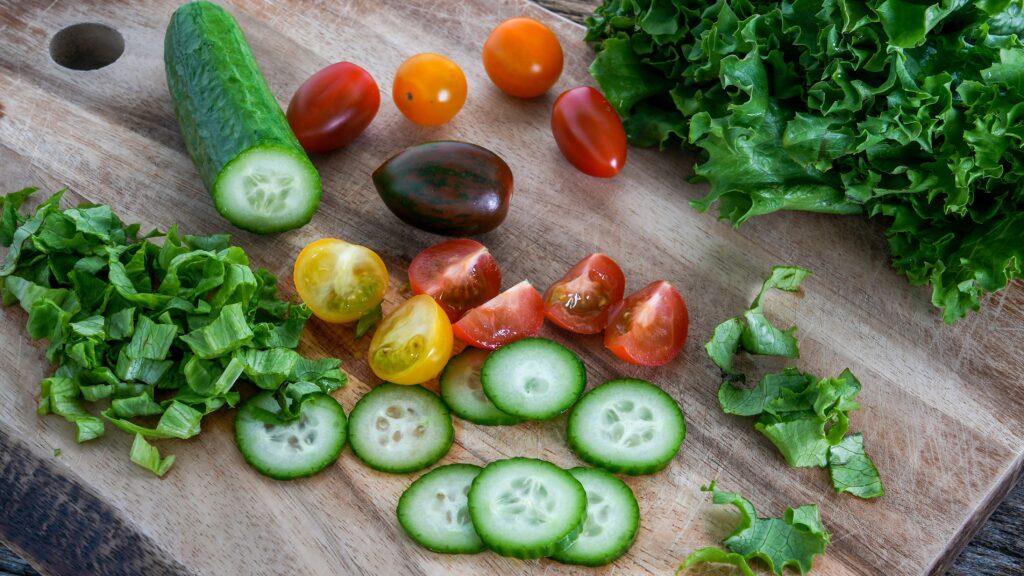
The farm-to-school program’s Davis-based Spork Food Hub delivers up to 120 tons of fresh produce weekly from more than 100 small farms to 40 school districts, introducing students to everything from vine-ripened cherry tomatoes to painted serpent cucumbers to build lifelong healthy eating habits. Photo by Miro Vrlik on Pexels.
The state’s farm-to-school program also supports small growers. Nearly 600 farmers statewide now sell to schools through the initiative. A stable school contract helps farmers plan crops instead of gambling on unpredictable markets.
Patrick Bollinger co-owns Foothill Roots Farm in Placer County. He grows 50 different crops on 20 acres and sells much of it through a local food hub tied to the program. Knowing his produce is already spoken for lets him plant with more confidence.
State officials estimate that every dollar spent through the farm-to-school program generates $2.10 in local economic activity. Bollinger used the extra income to keep employees on staff year-round. He also leased eight more acres to grow additional crops.
Cafeteria workers are seeing benefits too. In Western Placer Unified near Sacramento, staff now prepare homemade muffins, local tortillas and fresh pupusas. Because the work involves more cooking, many employees are working more hours and earning higher pay.
The district’s nutrition director said permanent funding removes years of financial uncertainty. She had worried that budget cuts could end progress her team had built through the farm-to-school program. Now she can plan menus and hire staff with more confidence.
At Tahoe-Truckee Unified, the nutrition team builds menus around seasonal produce sourced through the program’s network of farmers. Dishes include kale Caesar salad, mango lassis, and rice bowls with fresh vegetables, with plant-forward options taking center stage each October 1 for World Vegetarian Day. Staff tests new recipes with students before adding them to the regular rotation.
California has invested more than $1 billion in healthy school meals since 2021. That funding also covers kitchen equipment upgrades and universal free meals for all students. Officials say the combined effort aims to set a national example for school food.
California’s farm-to-school program shows what happens when schools, farmers, and state agencies work together. Kids get fresh meals, farmers gain reliable customers, and cafeteria workers find new opportunities. Those gains extend well beyond the cafeteria, according to the state’s economic impact report. As the program becomes permanent, more districts across the country may follow this model.


