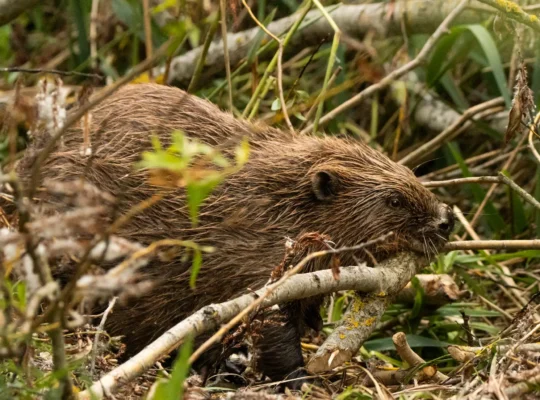
Integrating nature into corporate strategy helps companies reduce environmental risks and discover new opportunities for sustainable growth, shifting the focus from simple conservation to recognizing how biodiversity value for businesses strengthens long-term financial stability.
Biodiversity value for businesses represents a shift in how the global economy views the natural world. Researchers at the University of Oulu are developing a new framework to help organizations measure their environmental impact. This model encourages leaders to move beyond traditional profit metrics and include the health of ecosystems in their decision-making processes.
Many companies rely on natural resources for their daily operations. Agriculture, pharmaceuticals, and textile industries depend on healthy soil and clean water to function. When ecosystems fail, supply chains become unstable, and costs rise. Recognizing the biodiversity value for businesses allows firms to identify these vulnerabilities before they become financial crises.
Investors are increasingly looking for companies that prioritize environmental health. Financial institutions now use specific criteria to evaluate how well a business manages its relationship with nature. Organizations that protect local wildlife and plant life often secure better funding. They are seen as more resilient and better prepared for future regulations.
Restoring nature can lead to significant economic gains. Healthy forests and oceans provide services like carbon storage and flood protection for free. If these services were lost, companies would spend billions of dollars on artificial replacements. Protecting a single wetland can be more cost-effective than building a massive water filtration plant.
The new research emphasizes that nature is not an endless resource. It functions like a shared bank account that requires regular deposits to remain solvent. When businesses invest in biodiversity, they are essentially protecting their own capital. This mindset helps transform the economy into a system that gives back to the earth.
How can a small company begin to value nature? The first step is often mapping out the sources of their raw materials. Understanding the local environment at each stage of production reveals hidden dependencies. This knowledge allows managers to make smarter choices about which partners to work with.

Clear communication about environmental goals builds public trust. Consumers today prefer brands that show a genuine commitment to the planet. By documenting their efforts to support diverse species, companies can improve their reputation. This transparency creates a competitive advantage in a crowded marketplace.
Policy changes are also driving this transition. Governments around the world are introducing laws that require companies to report their impact on nature. Early adopters who understand the value of biodiversity for businesses will find it easier to comply with these new rules. They avoid the stress of last-minute changes and potential fines.
Innovation often stems from observing the natural world. Biologists and engineers work together to create products that mimic efficient natural processes. This field, known as biomimicry, can lead to energy savings and reduced waste. Nature provides a massive library of successful designs that businesses can study and adapt.
The University of Oulu team believes that collaboration is essential for biodiversity value for businesses. No single company can solve the climate crisis or stop habitat loss on its own. By sharing data and best practices, industries can create a collective impact. This teamwork ensures that the transition to a nature-positive economy is fast and effective.
Think about the local park or forest in your community. These areas provide more than just scenery. They regulate the local climate and support the insects that pollinate our food. When businesses recognize this worth, they become active participants in maintaining the health of the entire region. According to the World Economic Forum, more than 50% of global Gross Domestic Product is moderately or highly dependent on nature.
Data plays a vital role in this new economic model. Advanced sensors and satellite imagery now allow firms to track environmental changes in real time. This technology makes it possible to see exactly how a factory or farm affects the surrounding area. Accurate data leads to better accountability and more effective restoration projects.
Education is the final piece of the puzzle. Training employees to spot environmental risks helps embed sustainability into the corporate culture. When workers at every level understand the importance of diverse ecosystems, they can contribute ideas for improvement. This internal alignment makes the company stronger from the inside out. Adopting a nature-positive mindset requires a change in perspective. It means viewing the environment as a partner rather than a supplier. Many organizations are already finding success by funding ecosystem restoration to ensure long-term viability. As more organizations embrace this change, the global economy will begin to mirror the balance found in nature. Protecting the planet becomes a standard part of doing good business and increases the biodiversity value for businesses.