


Electric school buses now serve New York City students, and a trenchless charging method cut construction costs by 13%.
Electric school buses now carry students across Brooklyn and Queens. First Student and Con Edison, the local utility, finished the first phase of this project. It serves the New York City Department of Education.
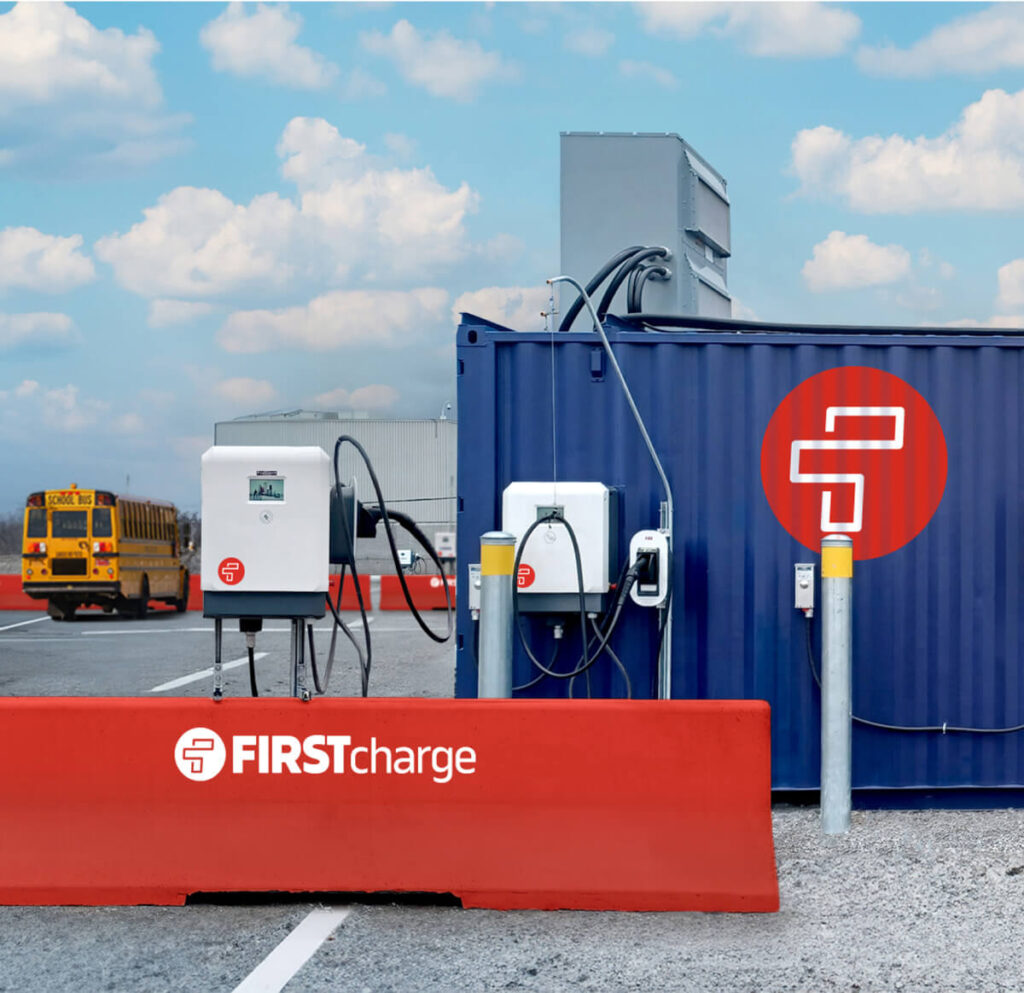
The charging setup is what sets this project apart. First Student built its First Charge system without traditional underground trenching. That choice cut infrastructure construction costs by 13%.
Trenching means digging long ditches to bury cables. That work takes time and disrupts daily life in a crowded city. Skipping it simplifies construction and helps buses reach students sooner.
Here is a simple way to picture it. For every $100 a traditional installation would cost, the project saved about $13. Those savings help a fleet that needs many chargers for its electric school buses.
First Charge is an above-ground system designed by bus operators, for bus operators. It is modular, meaning its parts fit together, and it can grow with a fleet.
Con Edison adds that crews did not need to bury the service line to the chargers. A service line is the cable that brings power to a site. The utility says other fleet owners can copy this idea to save money and finish projects faster.
Vicki Kuo, a Con Edison senior vice president, says the utility wants electric vehicles to be affordable. Lower upfront costs help make that goal real.
Outside funding also helped. Con Edison and the New York State Energy Research and Development Authority (NYSERDA) contributed money to the project. That included six bus vouchers and funding for four retrofit buses, which are existing buses converted to electric power.
First Student also helps school districts find funding for electric school buses. Since 2023, it has secured millions of dollars in Environmental Protection Agency (EPA) funding for customers.
The buses also charge on a schedule that saves money. Load management software sets charging for off-peak hours. Those are times when fewer people use power and energy costs less.
The project also includes bi-directional charging technology. This allows electricity to flow both into and out of a battery. Partners are also exploring more ways to lower energy costs for fleets.
Electric school buses in this project use bi-directional charging technology that lets electricity flow both into and out of a battery, while partners explore more ways to lower energy costs for fleets. Photo courtesy of First Student.
Kevin Matthews, head of electrification at First Student, says scaling up electric school buses takes more than vehicles. Fleets also need the right chargers, technology, and a strong utility partner.
Costs vary by district. First Student says Type C and Type D electric school buses cost around $375,000 each. Its analysis shows lifetime ownership costs matching diesel buses by 2029.
Cold weather affects electric school bus range. First Student’s Quebec buses travel 80 to 90 miles per charge, or about 70 in deep cold. Newer, larger batteries reach 100 to 120 miles.
Maintenance may get easier too. First Student sees fewer fluids to manage and far fewer brake problems. Fewer moving parts also cut repair time. Electric school buses offer a healthier, quieter ride.
Con Edison notes the new buses produce no tailpipe emissions, which means no exhaust from the vehicle itself. They replace less efficient buses that burn fossil fuels.
During the 2025-26 school year, First Student ran about 490 electric school buses. More than 550 more are on order. Its electric buses have driven over 11.2 million miles, about 450 trips around the Earth.
First Student also runs a fleet of more than 48,000 vehicles across the U.S. and Canada. It carries millions of students each day. That reach means lessons from New York can travel far.
Next up are 40 more electric school buses for the New York City Department of Education. First Student is also considering expanded solar use and a smart energy hub at its Brooklyn facilities.
Transit agencies nationwide are also learning how electric buses can drive change. Cleaner buses can lower tailpipe pollution on every route.
Could electric school buses roll out faster in other cities? First Student and Con Edison say the model can help other fleets overcome cost and construction hurdles. For students in Brooklyn and Queens, the payoff is a quieter ride on a cleaner bus.


