Features Grower Profiles Vegetables Minimizing Energy Costs with Passive Solar

Reading Time: 3 minutes

Features grower profiles vegetables minimizing energy costs with passive solar

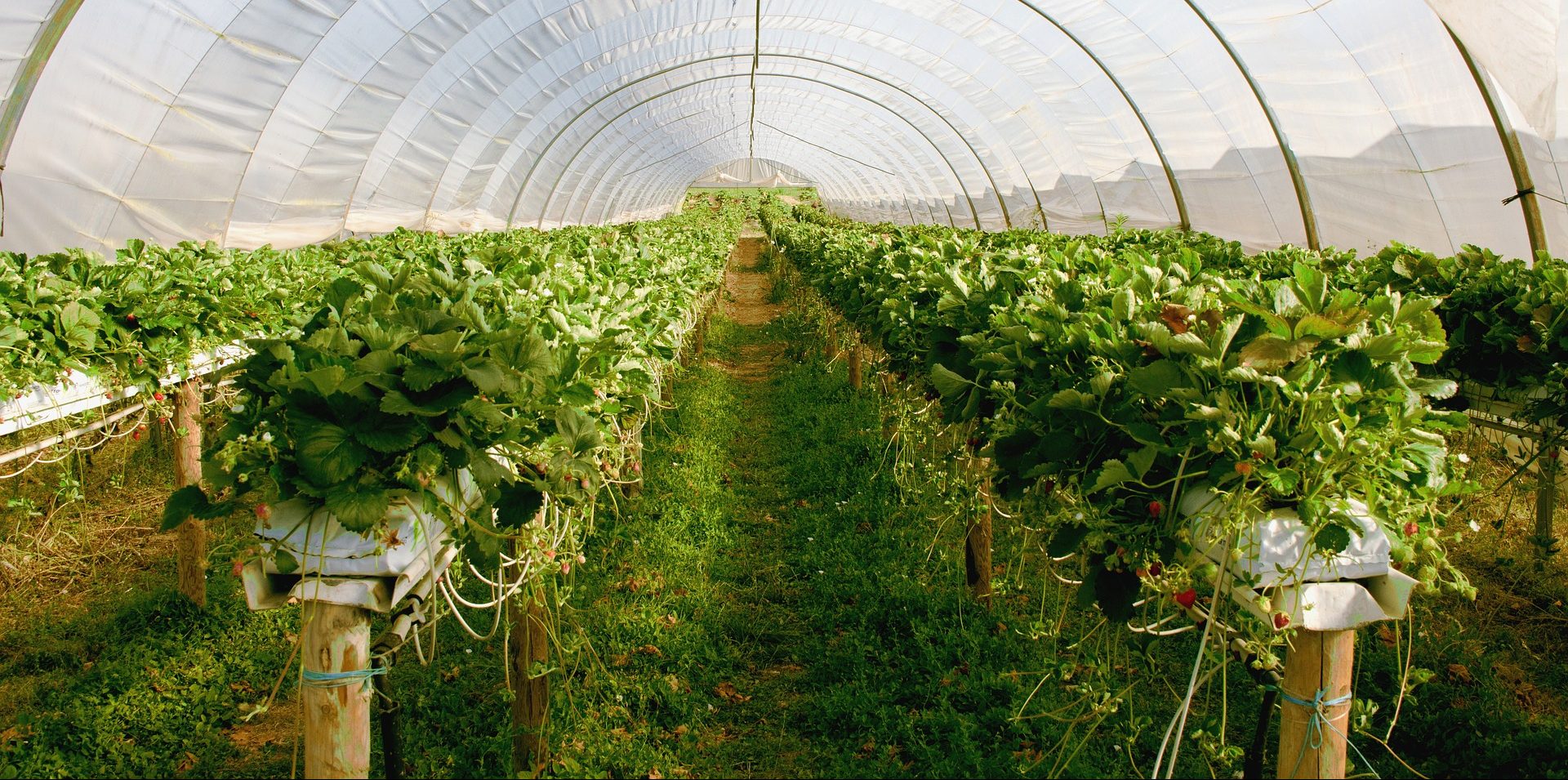
In Alberta, Canada, where long winters and frigid temperatures often make farming a challenge, Dong Jianyi is pioneering a new approach to sustainable agriculture. His innovative passive solar greenhouse project revolutionises food production, offering a sustainable solution to environmental and economic challenges while ensuring access to fresh, local produce year-round.

Dong Jianyi’s greenhouse utilizes passive solar design principles, a method that leverages the sun’s energy to maintain optimal growing conditions with minimal external inputs. The design is simple and effective, making it an ideal solution for sustainable farming in Alberta’s challenging climate.

Core Principles in Action

  1. Solar Heat Gain: The greenhouse is strategically oriented to capture maximum sunlight throughout the day. Large south-facing windows allow sunlight to penetrate deeply into the structure, warming the interior even during the coldest months.
  2. Insulation: Thick, well-insulated walls on the north side of the greenhouse prevent heat loss, while thermal mass materials, such as water barrels or stone, store heat during the day and release it at night.
  3. Natural Ventilation: Strategically placed vents and openings promote airflow, preventing overheating in the summer and reducing the need for energy-intensive cooling systems.

By combining these principles, Dong’s greenhouse minimizes energy consumption, making it a sustainable alternative to traditional farming methods.

One of the most significant advantages of Dong’s greenhouse is its reliance on solar energy, drastically reducing the need for fossil fuels. Dong’s design reduces greenhouse gas emissions by an estimated 40% compared to conventional greenhouses that require extensive heating in colder climates. This not only helps combat climate change but also sets a precedent for eco-friendly farming practices worldwide.

In addition to its energy efficiency, the greenhouse employs cutting-edge water conservation techniques. Drip irrigation delivers water directly to plant roots, minimizing waste, while moisture-retention systems within the soil reduce evaporation. By integrating rainwater collection systems, the greenhouse ensures that water usage is both efficient and sustainable—critical in a region where water resources are increasingly under pressure.

Dong Jianyi’s project supports year-round local food production, reducing dependence on imported produce. By growing fruits and vegetables close to where they are consumed, the greenhouse reduces transportation emissions. Moreover, it enhances food security in Alberta, ensuring access to fresh, nutritious food regardless of weather conditions or global supply chain disruptions.

The greenhouse’s energy-efficient design translates to significant cost savings for farmers. With minimal reliance on external heating and cooling systems, operating expenses are reduced by up to 30% compared to traditional methods. These savings make sustainable agriculture more accessible and financially viable for small-scale farmers.

Dong Jianyi’s greenhouse model can potentially create jobs in rural areas. From construction and maintenance to farming and distribution, the project opens up opportunities for employment in sustainable agriculture. Additionally, training programs to equip workers with the skills needed for eco-friendly farming can further stimulate local economies.

Local food production strengthens community resilience by reducing reliance on global supply chains, which are vulnerable to climate change disruptions, geopolitical tensions, or pandemics. Dong’s greenhouse helps communities weather crises while promoting healthier lifestyles by providing a consistent supply of fresh, healthy produce.

As the effects of climate change become increasingly evident, the need for sustainable agriculture has never been more urgent. Dong Jianyi’s greenhouse is a great example of what’s possible when innovation meets environmental responsibility. Farmers, policymakers, and consumers have a role in advancing this vision.

Supporting projects like Dong’s and adopting sustainable practices can help build a resilient food system that benefits people and the planet. With collective effort, we can cultivate a future where agriculture is not just about feeding the world but also preserving it.

Get Happy Eco News

The Top 5 Happy Eco News stories delivered to your inbox on Monday, first thing.

Ethics are everything. After you subscribe, we will send a confirmation email. You MUST confirm from that email, or you will not get on the list.

Sign up now!

Leave a Reply

Your email address will not be published. Required fields are marked *

Support Us.

Happy Eco News will always remain free for anyone who needs it. Help us spread the good news about the environment!