
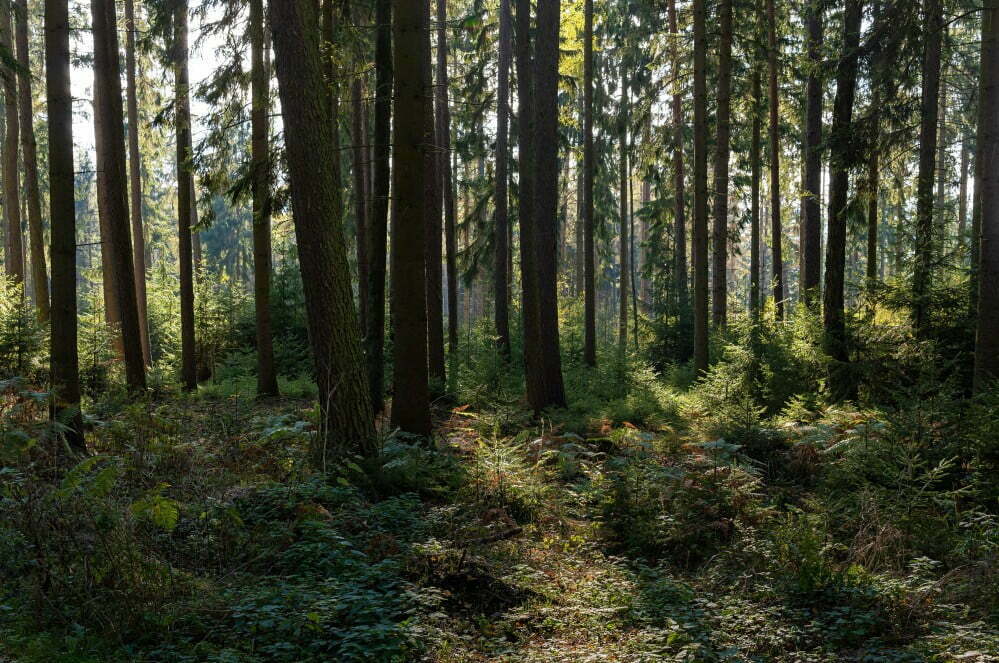
The best way to keep cool in heatwaves? Plant 170,000 trees, according to Paris
In recent summers, Paris has faced sweltering heatwaves that push temperatures to dangerous levels, turning bustling boulevards into stifling heat traps. These extreme conditions, increasingly common due to climate change, are more than an inconvenience—they are a serious public health threat, especially for elderly residents, young children, and those with underlying health issues. In response, the city is embarking on an ambitious plan: to plant 170,000 trees by 2026, using nature as a long-term, sustainable defense against urban heat.
Rather than relying solely on air conditioning, cooling stations, or temporary shade structures, Paris is shifting toward a solution that works year after year without drawing electricity, and that solution is trees. This initiative reflects a growing recognition among city planners that climate adaptation must go beyond quick fixes, instead investing in green infrastructure that will reshape the city for decades.
The urgency of this transformation is rooted in the “urban heat island effect.” In dense cities, surfaces like asphalt, concrete, and stone absorb heat during the day and release it slowly at night, making urban areas several degrees hotter than surrounding rural regions. On a treeless street, pavement temperatures can soar above 50°C under direct sunlight, while shaded areas remain dramatically cooler. This built-in heat trap not only increases discomfort but can also turn deadly, particularly during prolonged heatwaves.
Trees offer a simple yet powerful countermeasure. Their leafy canopies block solar radiation from hitting streets and buildings, immediately lowering surface and air temperatures. Beneath a mature tree, the temperature can feel several degrees cooler than in nearby exposed areas. Beyond shade, trees also cool their surroundings through evapotranspiration—the process of releasing water vapor into the air. As moisture evaporates from leaves, it draws heat from the environment, acting like a natural air conditioner that requires no power and emits no greenhouse gases. This biological cooling system operates all day during hot weather, providing steady relief where it is needed most.
Paris’s plan is both ambitious and strategic. By 2026, the city aims to add 170,000 trees, not just along streets but in redesigned public squares, converted concrete plazas, and even former parking lots. These “urban forests” are being carefully placed in areas with the highest heat exposure and lowest existing vegetation. The goal is not simply to plant trees where space allows, but to reimagine the urban landscape so that green spaces become central to the city’s design. Mayor Anne Hidalgo’s administration has framed the project as part of a broader vision to make Paris more resilient, healthier, and livable in the face of a warming climate.
The benefits extend far beyond cooling. Trees help clean the air by filtering out pollutants, absorbing carbon dioxide, and producing oxygen. In a city notorious for its traffic congestion, this added air purification is a welcome bonus. Green spaces also support urban biodiversity, giving birds, insects, and other small wildlife a place to thrive amid the concrete.
For residents, these spaces offer a much-needed refuge from the pace of city life. Shaded parks and tree-lined streets encourage people to walk, cycle, or spend time outdoors, improving physical health and reducing stress. Studies consistently show that access to greenery can boost mental well-being, foster social interaction, and create stronger community bonds. A shaded bench under a canopy of leaves can be more than a place to rest—it can become a gathering spot, a playground, or even an informal meeting space for neighbours.
While the Paris plan is still in its early stages, it is already drawing attention from other cities facing similar climate challenges. As urban areas around the globe grapple with rising temperatures, the French capital’s approach offers a model of what’s possible when long-term vision meets political will. Large-scale tree planting is not a silver bullet—it must be paired with other climate strategies—but it is a tangible, visible step toward making cities more habitable in an era of extreme heat.
If successful, Paris’s leafy transformation could mark a turning point, proving that even the most densely built environments can be reimagined to work with nature rather than against it. In the coming years, as those 170,000 saplings grow into sprawling canopies, the city may not only be cooler—it may also be healthier, cleaner, and more connected, offering a blueprint for urban resilience in a warming world.


